
Gingivitis vs. periodontitis: what’s the difference?
One is reversible. The other requires ongoing management. Knowing where you are on that spectrum changes what treatment looks like, and how urgent it is.
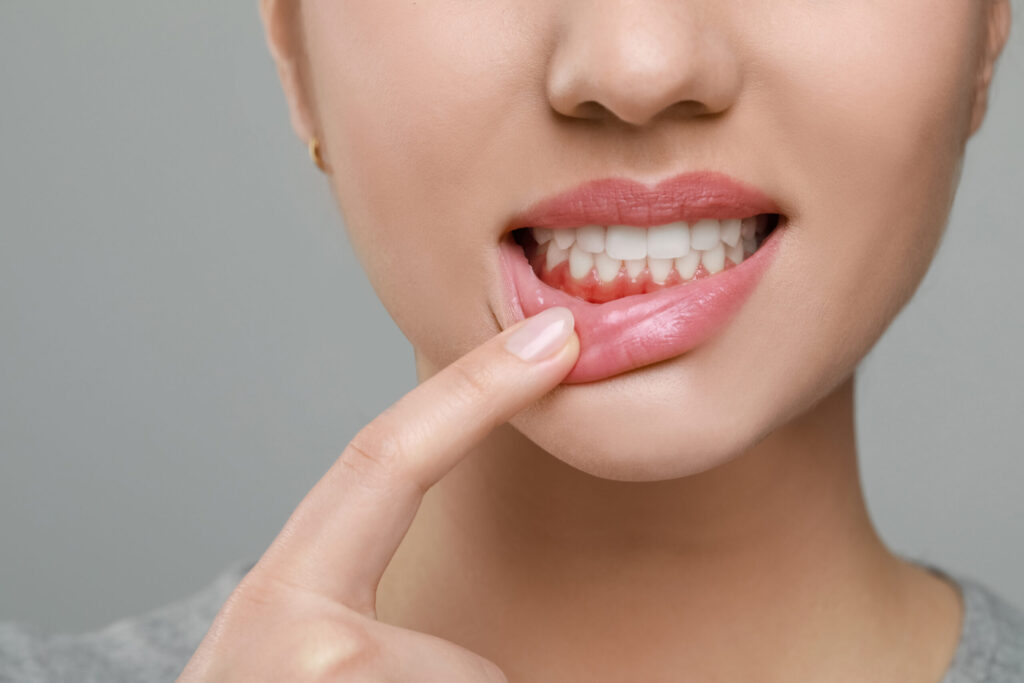
Two stages, two different treatments
The progression is gradual — and usually painless
Plaque that isn’t removed hardens into tartar, which forms below the gumline and can’t be brushed away. Inflammation pulls the gum away from the tooth, creating pockets. Deeper pockets harbor more bacteria, driving further bone and tissue loss until treatment interrupts the cycle.
Because it’s typically painless, many people don’t recognize the signs of gum disease until it’s advanced. “No pain, no problem” doesn’t apply here, which is why regular exams matter.
Treatment by stage
- Gingivitis Professional cleaning + home care
- Early–moderate periodontitis Scaling and root planing
- After SRP Maintenance every 3–4 months
- Advanced bone loss SRP first, possible specialist referral

Book a visit
No rush. No judgment. No surprises.
The goal is control, not a cure
Periodontitis can’t be cured the way an infection with a clear endpoint can. Lost bone doesn’t fully grow back, and the bacteria behind it are always present. What changes is whether the disease is active and progressing, or controlled and stable.
Patients who receive treatment and keep up periodontal maintenance every 3 to 4 months can keep the disease from advancing. Many live with diagnosed periodontitis for decades without losing teeth.
What control looks like
- Disease activity Stopped
- Pocket depths Monitored every visit
- Your teeth Kept for the long term
Book a visit
No rush. No judgment. No surprises.
Common questions
How long does it take for gingivitis to become periodontitis?
Can gingivitis go away on its own?
Is periodontitis serious?
What does ongoing care look like after treatment?
Book a visit
No rush. No judgment. No surprises.