Skip to content
Dental Crown Guide

Not all crowns are the same. Here’s how to choose.

The main types of dental crowns differ in appearance, strength and cost. The right one depends on where your tooth sits, how hard it works, and what matters to you.
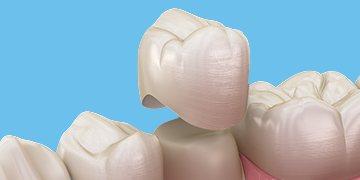
Not all crowns are the same. Here’s how to choose.
Crown types

The three main types of dental crowns

Once you know a crown is needed, the material comes next. They differ mostly in appearance, strength and cost.

All-ceramic / all-porcelain

The most natural look with good strength. Best for front teeth and visible areas, and our standard choice.

Zirconia

Natural, slightly opaque, with excellent strength for front and back teeth. Much stronger than older all-porcelain options. Available by request.

Full metal (gold or alloy)

Metallic with the highest strength, used almost exclusively on back molars. Gold wears at a rate close to natural enamel. Available by request.

Comparison

Crown types side by side

All-ceramic and zirconia crowns blend most naturally with surrounding teeth, making them a good fit for front teeth and premolars. Zirconia has become the go-to for patients who want both a natural look and durability.

Cost depends on the material you choose, and we confirm your exact price in writing before treatment.

Strength at a glance

  • All-ceramic Good — most natural
  • Zirconia Excellent — natural, slightly opaque
  • Gold / metal alloy Highest — metallic
How we decide

How do we decide which crown fits your tooth?

There’s no single best crown. Your dentist reviews these factors and recommends what makes sense for your situation.

Location in the mouth

Front teeth are highly visible, so appearance leads. Back molars take the most biting force, so durability leads.

Your bite and grinding

Patients who grind put more stress on restorations, so a stronger material lasts longer.

Your preference on metal

Some patients prefer to avoid metal entirely; others don’t mind on a back molar.

Your insurance plan

Some PPO plans cover crown types differently. We check your coverage before recommending a material.

Learn more
FAQ

Crown questions answered

What is the most natural-looking type of crown?
All-ceramic and zirconia crowns most closely match the color and translucency of natural teeth. They’re the standard choice for front teeth and visible areas.
Is gold still used for dental crowns?
Yes. Gold and metal alloy crowns remain among the most durable options. They’re used primarily on back molars, where strength is the priority and the crown isn’t visible when you speak or smile.
How long does each type last?
All types, properly placed and maintained, typically last 10 to 15 years. Metal crowns have a long track record of lasting even longer in back-of-mouth positions. Regular exams let us check the fit and catch wear early.
What’s the difference between porcelain and ceramic crowns?
The terms are often used interchangeably. “Porcelain” usually refers to traditional porcelain, including older porcelain-over-metal crowns. “All-ceramic” includes newer, stronger materials like zirconia and lithium disilicate (E-max).
Will my insurance cover the crown type I want?
Some PPO plans cover specific crown materials differently. We check your coverage before recommending a material, so you know what your plan covers up front.
Book Now Call Us Offers